 Watt
WattAdapters, cords & charging cables
The unglamorous middle of the chain, and the source of most "it worked yesterday" problems.
The one rule: short and fat
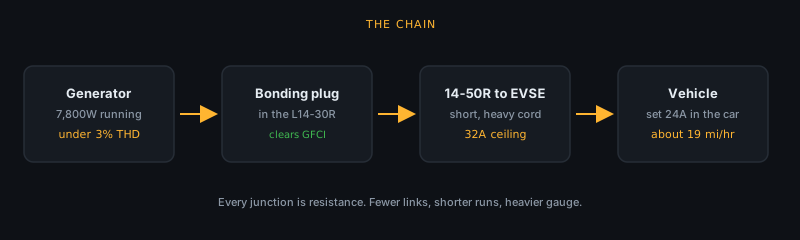
Voltage sag is what turns a working setup into an intermittent one. A long, thin extension cord drops voltage under a sustained 24A load, the car sees the sag, and it either throttles down or faults out entirely — usually twenty minutes in, when you've stopped watching.
Park closer before you buy a longer cord. If you genuinely need distance, go up in wire gauge rather than adding a second cord.
| Run length | Minimum gauge at 24–32A |
|---|---|
| Up to 25 ft | 10 AWG |
| 25–50 ft | 8 AWG |
| Over 50 ft | 6 AWG — reconsider the plan |
Tesla Mobile Connector + NEMA 14-50 adapter
✓ This is my setup, plugged directly into the generator's 14-50R
Straight into the generator, no extension cord in the path at all. The Mobile Connector maxes at 32A on the 14-50 adapter, and I run it dialed down to 24A in the car.
- Set amperage in the vehicle, not by swapping adapters
- The adapter tells the car its ceiling — the car decides the rest
- Verify the generator's voltage selector is in 120/240 mode or you'll get nothing here
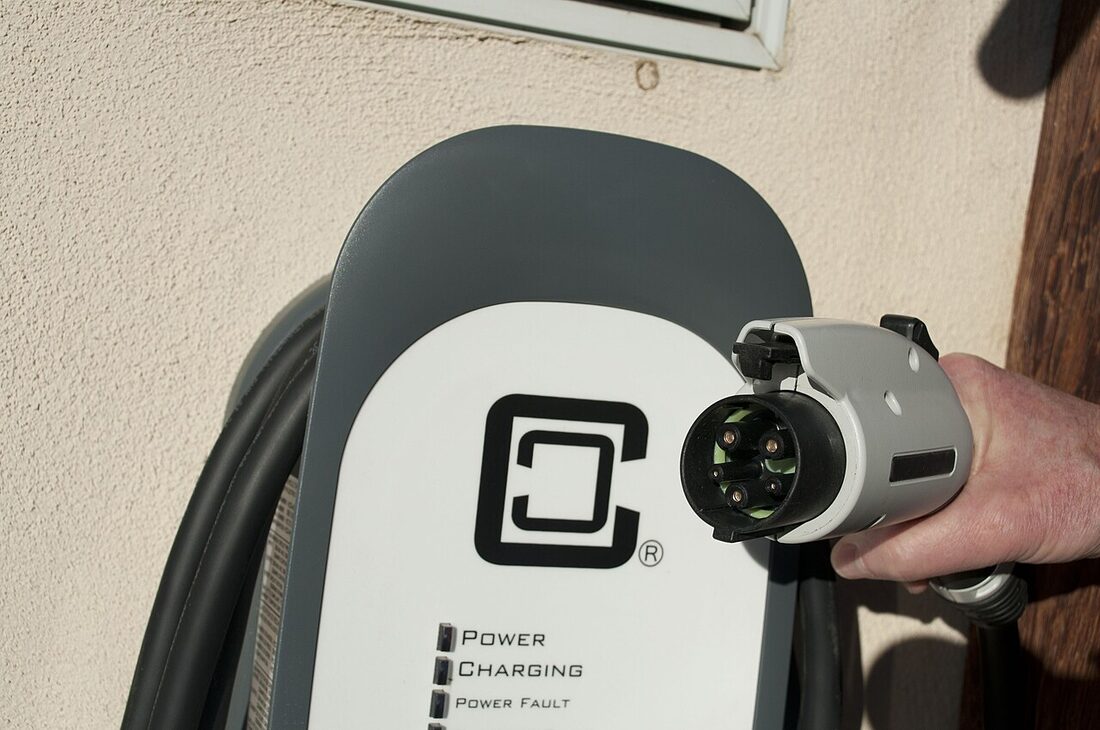
Portable Level 2 EVSE with 14-50 plug
Any J1772 or NACS portable charger with a NEMA 14-50 plug and adjustable amperage will do this job. Adjustability is the feature that matters — a fixed 32A unit gives you no way to back off when the generator complains.
- Adjustable current, ideally down to 16A
- UL or ETL listed — this is a wet outdoor connection under continuous load
- Weather-sealed connector if it lives on a trailer or in a truck bed
10 AWG 14-50 extension cord, 25 ft
Twenty-five feet is the length I'd accept without thinking about it. Beyond that, measure voltage at the car end under load before trusting it overnight.
Check priceNever daisy-chain adapters. Each junction is resistance, and resistance under a 6kW continuous load is heat. If a connection is warm to the touch after an hour, stop and fix the chain rather than watching it.